

Bauhaus
Interior Style
History
Bauhaus interior design is a hallmark of the modernist movement that emerged in the early 20th century, particularly in Germany. It originated from the Bauhaus school, founded by architect Walter Gropius in 1919 in Weimar, Germany. The school aimed to integrate the principles of fine art, craftsmanship, and technology to create functional and aesthetically pleasing designs.
Form Follows Function:
This principle emphasizes the functionality of a space over ornamental decoration. Furniture and objects are designed with a focus on simplicity and utility.
Minimalism:
Bauhaus interiors are characterized by clean lines, geometric shapes, and minimal ornamentation. Furniture and décor are often sleek and unadorned.
Open Floor Plans:
Spaces are often open and flowing, with an emphasis on maximizing natural light and creating a sense of airiness.
Integration of Technology:
Bauhaus designers embraced modern materials and production techniques, such as steel, glass, and concrete. These materials are often used prominently in Bauhaus interiors.
Neutral Color Palette:
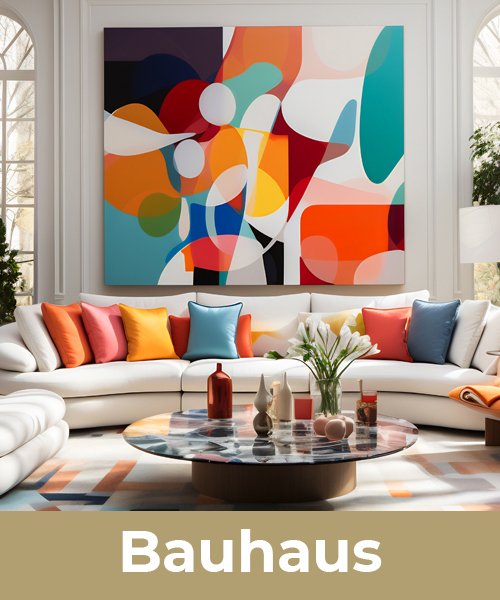
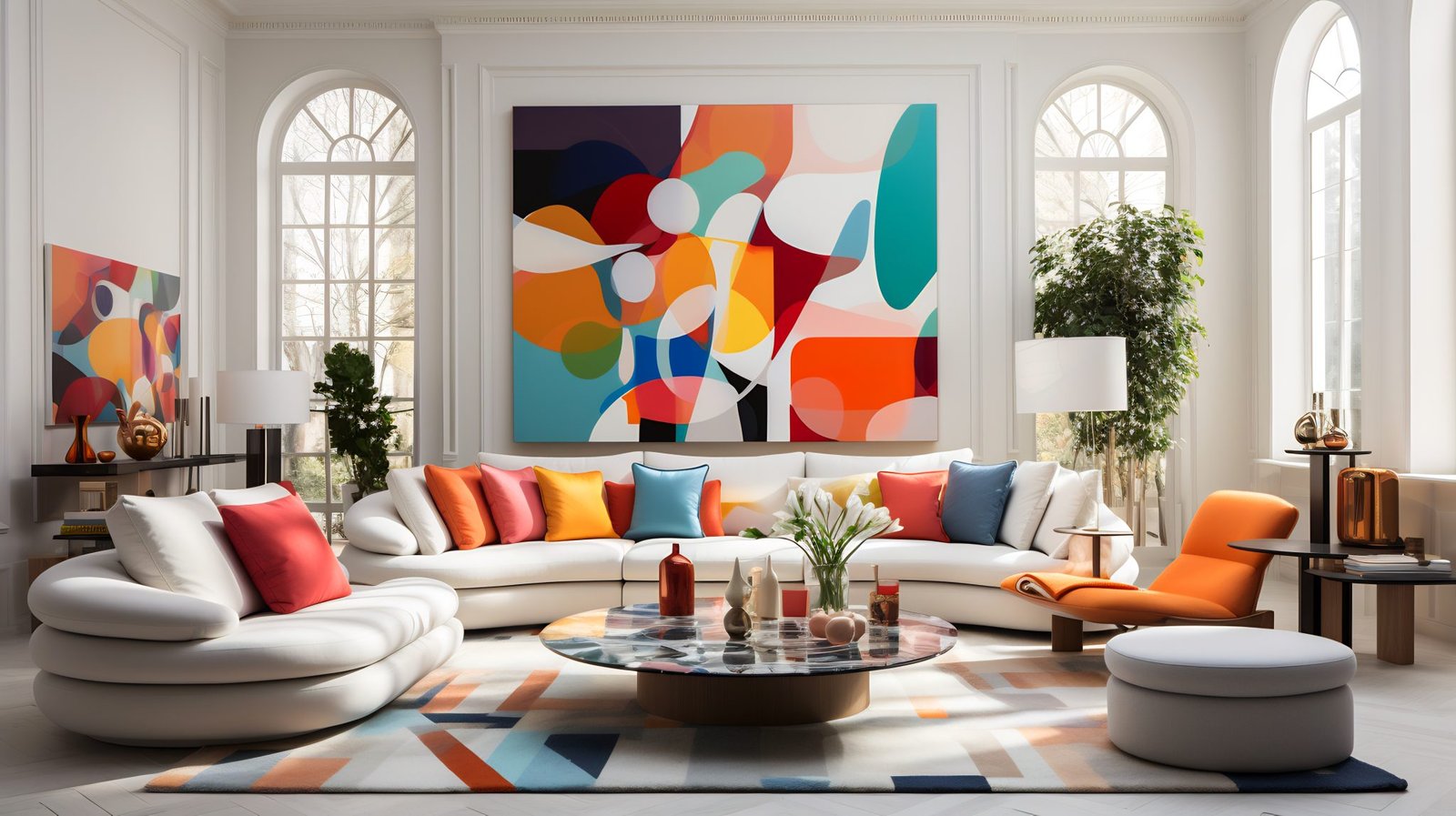
Bauhaus interiors typically feature a neutral color palette with pops of bold primary colors, particularly red, yellow, and blue. These colors are used sparingly and strategically to create visual interest.
Modular Furniture:
Bauhaus designers created modular furniture that could be easily mass-produced and adapted to different spaces and functions. Pieces such as the Wassily Chair by Marcel Breuer and the Barcelona Chair by Ludwig Mies van der Rohe are iconic examples of Bauhaus furniture design.
Overall,
Bauhaus interior design is characterized by its blend of form and function, simplicity, and focus on modern materials and production techniques. It continues to influence contemporary design trends and remains a timeless aesthetic.
Recent Stories