

Minimalist
Interior Style

History
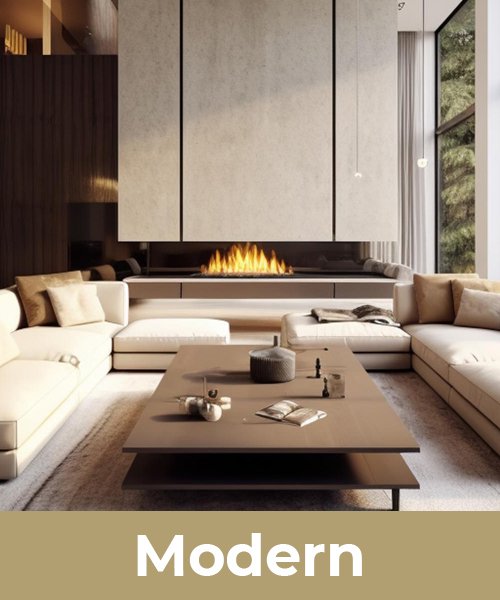
Minimalist interior design is characterized by simplicity, functionality, and a focus on clean lines and uncluttered spaces. It embraces the philosophy of “less is more” and emphasizes the beauty of essential elements.
Clean Lines and Simple Forms:
Minimalist interiors feature clean, straight lines and simple geometric shapes. Furniture, architectural elements, and decor items are streamlined and devoid of unnecessary ornamentation.
Neutral Color Palette:
A neutral color palette is central to minimalist design, with white, beige, gray, and black being predominant. These colors create a sense of calmness and serenity while allowing architectural details and furnishings to stand out.
Open and Airy Spaces:
Minimalist interiors often prioritize open floor plans and ample natural light. Spaces feel airy and uncluttered, with furniture arranged to maximize flow and functionality.
Functional Furniture:
Furniture in minimalist interiors is selected for its practicality and functionality. Pieces are often multi-functional and serve a specific purpose without unnecessary embellishments. Storage solutions are integrated seamlessly into the design to minimize visual clutter.
Quality over Quantity:
Minimalist design favors quality over quantity, with an emphasis on investing in well-crafted, timeless pieces that will stand the test of time. Each item is carefully considered and chosen for its utility and aesthetic value.
Minimal Decor:
Decorative elements are kept to a minimum in minimalist interiors. A few carefully selected accessories or artwork can add visual interest without overwhelming the space. Negative space is embraced as an essential design element.
Decluttered Surfaces:
Surfaces are kept clear of clutter in minimalist interiors. Items are stored out of sight whenever possible, and only essential objects are left on display. This creates a sense of calmness and orderliness within the space.
Focus on Materials and Texture:
In minimalist design, the focus shifts to the quality of materials and textures rather than ornate decoration. Natural materials such as wood, stone, and metal are often used to add warmth and visual interest to the space.
Attention to Detail:
While minimalist design appears simple on the surface, it often requires careful attention to detail. Every element, from the choice of materials to the arrangement of furniture, contributes to the overall harmony and balance of the space.
Overall,
Minimalist interior design is about creating serene, uncluttered spaces that promote a sense of calmness and clarity. It encourages mindfulness and intentionality in design choices, resulting in environments that feel both timeless and contemporary.
Recent Stories